Activated Carbon for Soil Remediation

Soil pollution represents one of the most important environmental challenges facing the planet. The accumulation of pesticides, heavy metals and organic pollutants can lead to decreased soil fertility, reduced crop yields and threats to ecosystem security.
Activated carbon, as a highly effective adsorbent material, plays an increasingly important role in soil remediation and the pursuit of sustainable agricultural development.
This article describes the role of activated carbon in soil remediation, which will help you select the right activated carbon products.
The importance of soil remediation
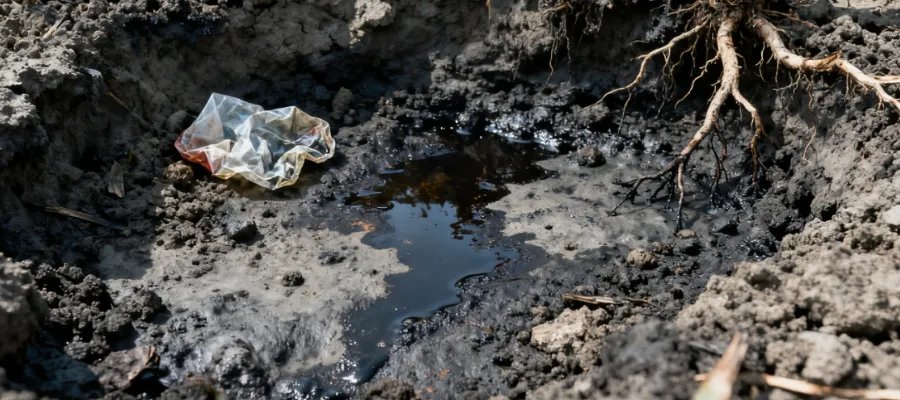
Soil constitutes a vital component of the terrestrial ecosystem, since it serves as the basis for agricultural production, plant growth and ecological balance.
However, with the intensification of industrialization, urbanization and agricultural activities, soil pollution has become increasingly important, with the persistent accumulation of pollutants such as heavy metals, pesticide residues and excessive fertilizers.
This not only impedes crop growth and compromises food security, but also endangers ecological environments and human health. Consequently, soil remediation has become particularly crucial.
Activated carbon, as a highly efficient adsorbent material, has progressively become a vital tool for soil remediation and agricultural improvement.
Why use activated carbon in soil remediation?
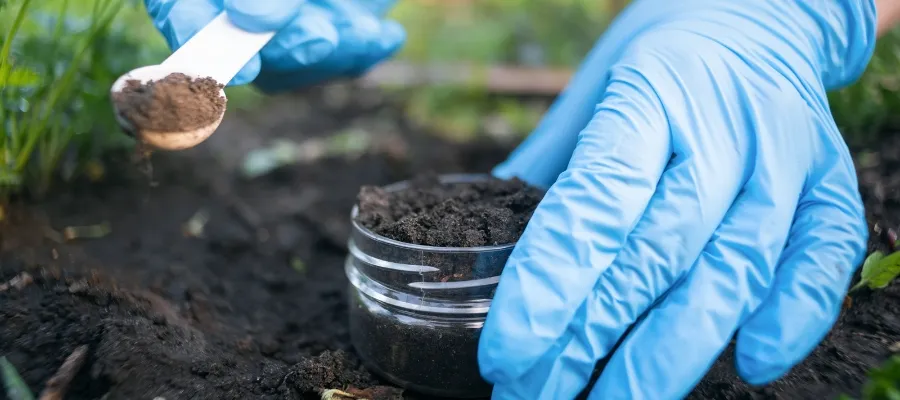
Activated carbon has an extremely high specific surface area and a developed porous structure, capable of adsorbing various contaminants such as pesticides, herbicides, heavy metals and organic compounds. In agriculture, it helps immobilize contaminants, preventing them from reaching plant roots or groundwater.
Main functions:
- Adsorb pesticides, herbicides, hydrocarbons and other organic contaminants
- Immobilize heavy metals such as lead, cadmium, copper and zinc
- Improve soil structure, increasing water retention and aeration
- Promote the recovery of the microbial community, enhancing the vitality of the soil
How to select activated carbon for soil remediation?
In soil remediation, choosing the right activated carbon is essential, as different types of activated carbon offer different advantages in terms of adsorption capacity, pore structure and mode of application. PuroCarbon offers different types of activated carbon specifically designed for agricultural applications:
coal-based powder activated carbon

The Powdered activated carbon made from coal has very fine particles, a large specific surface area and a uniform pore distribution, providing extremely high adsorption capacity. Its main characteristics and applications include:
- High adsorption efficiency- Quickly adsorbs heavy metal ions, organic pollutants and pesticide residues in the soil, significantly reducing the concentration of harmful substances.
- Fast action: The powder form allows for uniform mixing in the soil, managing to immobilize contaminants and obtain remediation results in a short time.
- Application scenarios: suitable for lightly or moderately contaminated soils, especially when rapid and concentrated treatment is required.
granular coal-based activated carbon

The Granular activated carbon made from coal has larger particles, a developed pore structure and stable, long-lasting adsorption capacity. Its main characteristics and applications include:
- Long-term remediation effect: Granular carbon continuously adsorbs contaminants in the soil, reducing the mobility of heavy metals and organic compounds and reducing the risk of secondary contamination.
- Improvement of soil structure: The granular form increases the porosity of the soil, improves aeration and water retention, favoring the development of plant roots.
- Wide application range: Suitable for moderately to highly contaminated soils, especially in agricultural land or industrial areas requiring sustained remediation.
Through proper selection and combination of powder and granular activated carbon, rapid short-term remediation along with long-term stable treatment can be achieved, significantly improving soil remediation efficiency and agricultural quality.
Conclusion
Activated carbon is ideal for soil remediation and agricultural improvement, removing contaminants and improving fertility and ecological balance.
PuroCarbon, with more than 18 years of experience, offers expert advice to choose the most appropriate product according to your remediation needs. If you have technical needs or queries related to soil remediation, please do not hesitate to contact us at.