Powdered activated carbon is a fascinating material, widely used due to its unique adsorption properties. In this article, we will explore in depth what powdered activated carbon is, how it is produced, its distinctive characteristics and the various applications that make it an essential component in sectors such as water treatment, air purification and the food and beverage industry.
We will reveal why powdered activated carbon is preferred in many industrial processes and how its microscopic structure gives it outstanding efficiency. Join us on this journey to discover the secrets of powdered activated carbon!
What Is Activated Charcoal Powder?
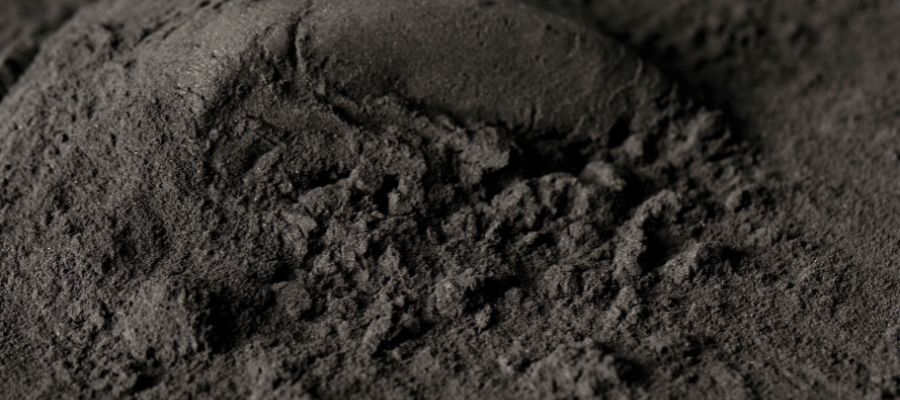
Powdered activated carbon is a finely ground form of activated carbon, with a particle size generally less than 0.177 mm (80 mesh). This material is characterized by its enormous surface area and high adsorption capacity, making it an extremely effective adsorbent for a wide range of contaminants.
Powdered activated carbon can be produced from a variety of raw materials, such as coconut shells, charcoal, wood and other organic materials. The activation process involves heat treatment of these raw materials under anaerobic conditions, followed by physical or chemical activation that creates a complex porous structure.
One of the most outstanding features of powdered activated carbon is its immense internal surface area, which can reach up to 1500 m²/g. This vast area, together with its microporous structure, allows it to effectively capture molecules of various sizes, from organic compounds to heavy metals.
Request a QuoteActivated Charcoal Powder Production Process
The production of powdered activated carbon is a meticulous process involving several key steps:
- Selection of raw materialsCarbon content: Materials with high carbon content are chosen, such as coconut shells, charcoal or wood.
- CarbonizationThe raw materials are heated under anaerobic conditions at high temperatures (400-900°C) to eliminate volatile compounds.
- ActivationIt can be physical (using high temperature steam or CO2) or chemical (using agents such as phosphoric acid or zinc chloride).
- GrindingThe activated carbon is ground to a fine powder.
- RankingParticle size separation: Particles are separated by size to ensure uniformity of the final product.
- Quality control: Tests are conducted to verify the performance of powdered activated carbon.
This carefully controlled process ensures that the powdered activated carbon has the necessary characteristics for your specific applications.
Request a QuoteActivated Charcoal Powder Characteristics and Performance
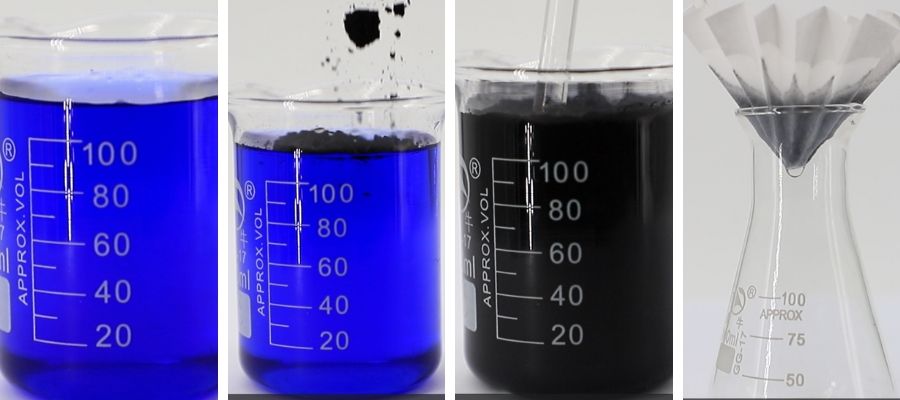
Powdered activated carbon possesses a number of unique and valuable characteristics that make it suitable for a wide range of applications:
- High surface areaAs mentioned above, it can reach up to 1500 m²/g, which provides a high adsorption capacity.
- Porous structureContains micropores, mesopores and macropores, allowing the adsorption of molecules of different sizes.
- Fast adsorption kineticsDue to its small particle size, powdered activated carbon offers faster adsorption than other forms of activated carbon.
- VersatilityIt can adsorb a wide range of contaminants, both organic and inorganic.
These characteristics make powdered activated carbon an attractive option for many industries that require fast and efficient purification. PuroCarbon offers high quality powdered activated carbon that can meet your needs for a wide variety of applications. In addition, we provide pelletized activated carbon y granular activated carbon quality, which are popular with our customers.
Request a QuoteEspecificaciones Técnicas del Carbón Activado en Polvo
Para seleccionar el carbón activado en polvo adecuado para su aplicación, es fundamental conocer sus especificaciones técnicas. Los parámetros clave son los siguientes:
| Parameter | Unidad | Valor Típico |
|---|---|---|
| Raw Materials | – | Madera / Carbón / Cáscara de Coco |
| Tamaño de Partícula | – | 100 mesh, 200 mesh, 325 mesh |
| Índice de Yodo | mg/g | 500-1200 |
| Valor de Azul de Metileno | mg/g | 80-250 |
| Número de Melaza | mg/g | 150-400 |
| Área Superficial (BET) | m²/g | 600-1200 |
| Humidity | % | ≤5 |
| Contenido de Ceniza | % | 3-15 |
| pH value | – | 5-11 |
Main Powdered Activated Carbon Applications
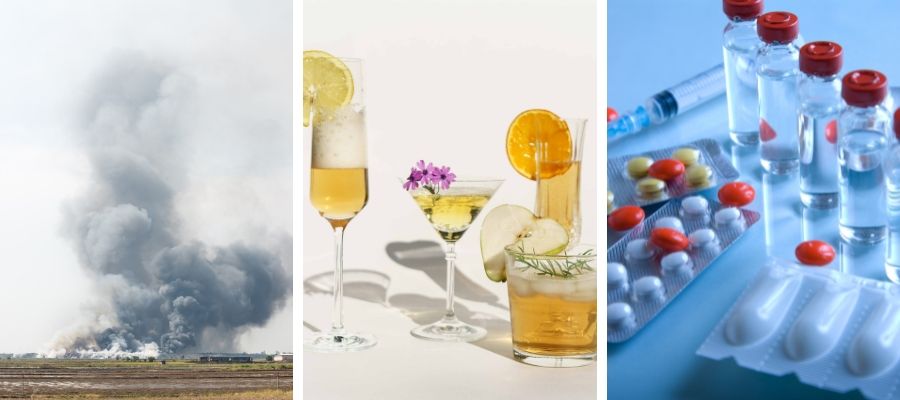
Powdered activated carbon is widely used in various sectors due to its excellent adsorption capacity and versatility. The following are some of the main fields of application:
Water treatment
In the water treatment sector, powdered activated carbon plays a crucial role:
- Removes organic contaminants from water, such as pesticides, herbicides and industrial chemicals.
- Improves the taste and odor of drinking water.
- Controls algae toxins.
- Removes traces of organic compounds and emerging contaminants.
PuroCarbon S.L. offers various types of powdered activated carbon suitable for different water treatment needs, including coconut shell activated carbon y carbon-based activated carboncapable of treating a variety of water quality problems.
Flue gas purification
In industrial gas treatment, powdered activated carbon is widely used for:
- Mercury removal: Effectively adsorbs mercury and its compounds in flue gases.
- Reduce volatile organic compounds (VOCs): Decrease harmful gases emitted by industries.
- Adsorb dioxins: Efficiently removes these persistent organic pollutants.
- Control heavy metal emissions: Adsorbs other metal pollutants in flue gas.
Our activated carbon from mineral carbon and impregnated activated carbon are particularly suitable for these applications, providing effective solutions for flue gas purification.
Food industry
In the food sector, powdered activated carbon of vegetable origin plays an important role:
- BleachingUsed to decolorize syrups, edible oils and other liquid products.
- Odor eliminationImproves the flavor and aroma of food and beverages.
- Juice and alcoholic beverage purificationRemoves impurities and unwanted colors.
- Additive controlAdsorbs preservatives or additives in excess.
PuroCarbon S.L. offers activated wood charcoal high quality, especially suitable for the various purification needs of the food industry. Our products are not only effective, but also meet food quality standards, ensuring the safety of treated food.
Air purification
In air purification applications, powdered activated carbon is widely used for:
- Eliminate harmful gases and odors in indoor environments.
- Purify gases emitted by industries.
- Controlling vehicle exhaust emissions.
- Improve air quality in public spaces.
We offer various types of powdered activated carbon, such as coconut shell carbon and mineral carbon, which can be selected according to specific air purification needs.
Purification in the pharmaceutical industry
In the pharmaceutical industry, powdered activated carbon plays a role in several stages:
- Purification of pharmaceutical intermediates: Eliminates impurities generated during synthesis.
- Discoloration of pharmaceutical solutions: Improves the appearance of pharmaceutical products.
- Removal of organic impurities: Purifies pharmaceutical products.
- Purification of biopharmaceutical products.
Considerations When Using Activated Carbon Powder
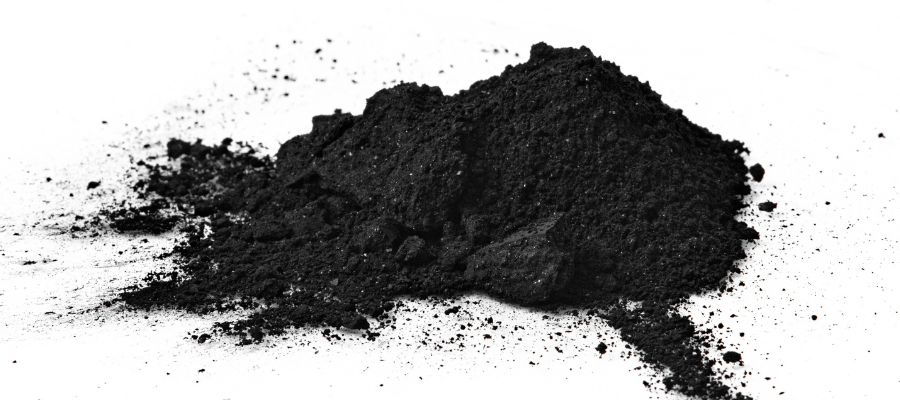
When using powdered activated carbon, it is important to consider several factors:
- DoseThe right amount is crucial for treatment efficacy and cost optimization.
- Contact timeGenerally requires a shorter contact time than other forms of activated carbon.
- MixGood dispersion in the medium to be treated is essential to maximize its efficacy.
- SeparationAdditional filtration or sedimentation steps may be necessary to separate the spent activated carbon from the treated medium.
- Management: Fine dust may generate airborne dust, so appropriate safety precautions should be taken during handling.
- Selection of the right typeDifferent raw materials and activation methods can produce powdered activated carbons with different yields, suitable for specific applications.
Dosis recomendadas de carbón activado en polvo para diversos sectores
La dosificación real dependerá de la concentración de contaminantes, las condiciones de la calidad del agua, la temperatura, el pH y los objetivos del tratamiento. Las cifras que figuran a continuación representan los rangos de referencia habituales en el sector; la dosificación óptima deberá determinarse, en última instancia, mediante ensayos a escala piloto y a escala intermedia.
| Industria | Contaminante Objetivo | Dosis de PAC (mg/L) | Tiempo de Contacto (min) | Tipo Recomendado |
|---|---|---|---|---|
| Drinking Water Treatment | Olor, subproductos del cloro, pesticidas, materia orgánica | 5-30 | 15-60 | Carbón activado en polvo a base de cáscara de coco y madera |
| Tratamiento de Aguas Residuales Municipales | DQO, color, microcontaminantes orgánicos | 10-100 | 30-120 | carbón activado en polvo a base de carbón |
| Aguas Residuales de Tintorería | Colorantes, color, contaminantes orgánicos | 100-1000 | 30-180 | Carbón activado en polvo a base de madera |
| Aguas Residuales Farmacéuticas | Residuos de API, antibióticos, materia orgánica | 50-500 | 60-240 | Carbón activado en polvo a base de madera |
| Food Industry | Pigmentos, olores, impurezas orgánicas | 0.1-1.0% (p/v) | 15-60 | Carbón activado en polvo a base de cáscara de coco y madera |
| Aguas Residuales de Galvanoplastia | Agentes complejantes orgánicos, DQO | 20-200 | 30-120 | Carbón activado en polvo a base de carbón |
| Lixiviados de Vertedero | DQO, ácidos húmicos, color | 100-1000 | 60-240 | Carbón activado en polvo a base de carbón |
| Tratamiento de Emergencia de Agua | Olores repentinos, derrames químicos | 20-100 | 15-60 | Carbón activado en polvo a base de carbón y a base de madera |
Factores que Influyen en la Dosificación
- Concentración inicial de contaminantes: Cuanto mayor sea la concentración, mayor será la dosis necesaria de carbón activado en polvo.
- Tiempo de contacto disponible: Un tiempo de contacto más corto puede requerir una dosis mayor o un carbón activado en polvo de malla más fina para compensar.
- Temperatura del medio: Las temperaturas más bajas reducen la cinética de adsorción; puede ser necesario ajustar la dosis.
- pH del medio: Esto afecta a la carga superficial del carbón activado en polvo y a la ionización de los contaminantes, lo que influye en la eficiencia de la adsorción.
- Presencia de competidores: Otros compuestos orgánicos pueden competir por los sitios de adsorción, lo que requiere dosis adicionales.
- Calidad: El carbón activado en polvo con un índice de yodo y una superficie específica más altos puede requerir dosis más bajas para el mismo nivel de tratamiento.
⚠️ Importante: Las dosis indicadas son valores de referencia basados en prácticas industriales comunes. Se recomienda realizar siempre una prueba de jarra (jar test) para determinar la dosis óptima para su aplicación específica. Nuestro equipo técnico puede ayudarle con este proceso — contáctenos para recibir asistencia personalizada.
Conclusion
Powdered activated carbon is a highly efficient adsorbent material with applications in a wide variety of industries. Its unique ability to adsorb a wide variety of contaminants makes it an indispensable tool in purification and treatment processes.
Póngase en contact with us hoy mismo para elegir el carbón activado en polvo más adecuado para su aplicación.