Activated Carbon for VOC Removal
Volatile organic compounds (VOCs) are a common class of highly evaporative and chemically active air pollutants. VOCs are emitted by a wide range of industries, from pharmaceuticals and textiles to food, and not only cause odor nuisance, but also pose a danger to human health and the environment.
The activated carbon, with its excellent adsorption properties, has good performance in VOC treatment. In this article, we will introduce in detail how to use activated carbon to effectively remove VOCs and provide sustainable pollutant treatment solutions for industrial companies.
What are Volatile Organic Compounds (VOCs)?
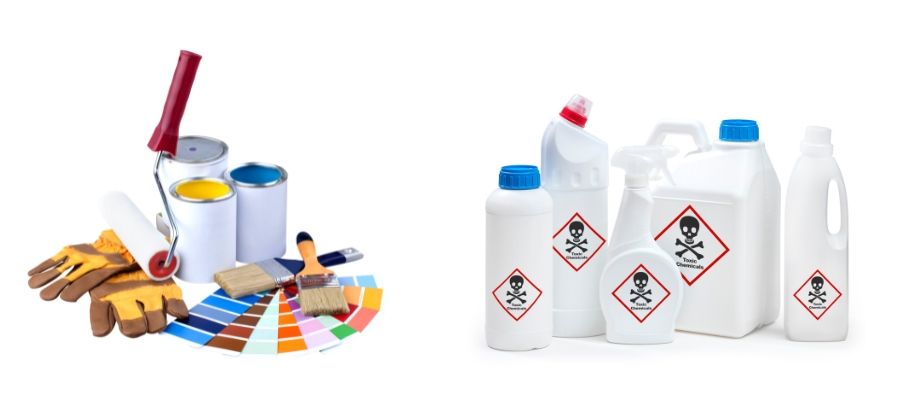
VOCs commonly originate from petrochemical, pharmaceutical, food processing, and indoor air pollution industries. The characteristics and sources of some common VOCs are described below:
- Acetaldehyde: Present in food processing (such as baking and juice production). It is toxic and can be carcinogenic.
- Benzene: Used in the chemical industry; It is known to be a strong carcinogen.
- Acetone: A common solvent in the pharmaceutical and textile industries.
- Xylene: Used in the production of plastics; It has a low odor threshold and toxicity.
- Limonene: Derived from fruit peel extracts; in high concentrations it can cause odor contamination.
Principles of VOC Adsorption with Activated Carbon
Activated carbon is a porous adsorbent material whose unique structure and high specific surface area make it extremely efficient at adsorbing VOC molecules. The adsorption process of VOCs with activated carbon is mainly based on two mechanisms:
Physical adsorption
The porous structure of activated carbon provides a large number of micropores and mesopores. When VOC molecules pass through these pores, they are captured and adsorbed on their surface. This type of adsorption is based on Van der Waals forces, and is suitable for VOCs at low concentrations.
Chemical adsorption
For certain specific VOCs (such as sulfur compounds, H₂S or methyl mercaptan), activated carbon can chemically interact with these molecules through active functional groups on its surface, allowing for efficient removal. This method is ideal for VOCs of high concentration or that are difficult to degrade.
Applications of Activated Carbon in the Elimination of VOCs
Activated carbon, as an efficient adsorbent material, is widely used in various sectors to control VOC emissions. Below are the main fields of application:
Chemical and petrochemical industry

During production processes, chemical and petrochemical factories emit large amounts of benzene, toluene, xylene, acetone, among others. Adsorption systems with activated carbon are effective in reducing the concentration of these industrial emissions.
Commercial kitchens and food sector

Commercial kitchens generate large amounts of VOCs with strong odors during cooking, such as oil fumes and aromatic compounds. Activated carbon adsorption systems can purify kitchen exhaust gases and reduce odor pollution.
Pharmaceutical Industry

In this industry, the production and recovery processes of solvents generate large quantities of VOCs. Adsorption towers with activated carbon are capable of efficiently capturing these organic compounds, ensuring compliance with environmental standards and reducing the loss of solvents.
Food processing

During food production (such as in juice processing, baking, and fermentation), numerous VOCs with characteristic odors are released. Activated carbon adsorption technology eliminates these odorous molecules, improving the work environment and ensuring emissions meet strict food industry standards.
Biogas and landfills

In biogas production and landfills, the release of VOCs can cause serious odor problems. Activated carbon adsorption systems effectively capture these volatile contaminants, reducing the spread of odors and improving biogas purity.
Wastewater treatment plants

Wastewater treatment processes release large quantities of malodorous gases, especially sulfur compounds and volatile organic molecules. Adsorption units with activated carbon efficiently eliminate these odors, improving air quality in plants.
Selection of Activated Carbon to Eliminate VOCs
When treating VOCs, selecting the right type of activated carbon is crucial. The most common types are granular activated carbon and pellet activated carbon, both with specific properties that make them ideal for various applications.
Granular activated carbon

Granular activated carbon
Supplied in large quantities, strong adsorption, high mechanical strength and large adsorption capacity ensure effective treatment.
Manufactured from high quality carbon through thermal activation processes, it has the following characteristics:
- High specific surface area: Its porous structure effectively captures VOC molecules, suitable for high VOC concentrations.
- Strong adsorption capacity: Especially effective in removing small molecule VOCs such as benzene and acetone.
- High mechanical strength: Its granular format makes it ideal for gas flows with high speeds and reduces wear during use.
- Common applications: Treatment of emissions in chemical, pharmaceutical and other large-scale industrial emissions.
Pelletized Activated Carbon

activated carbon in Pellets
Low airflow resistance, high strength, factory prices and free sample testing available.
Pellet activated carbon is commonly used in situations where low airflow resistance is required due to its unique cylindrical design and high mechanical strength. Its features include:
- Low resistance to gas flow: Its cylindrical structure allows continuous gas flow, suitable for large volume systems and continuous operation.
- Long Life: Its high resistance reduces dust generation and prolongs system operating cycles.
- Common applications: Used in commercial kitchens, food processing and petrochemical industries to control VOCs.
Conclusion
Activated carbon, as an efficient adsorbent material, has demonstrated exceptional performance in managing VOC emissions. By selecting the appropriate type of activated carbon and designing an efficient treatment system, VOC problems in industrial emissions can be effectively addressed.
If you are looking for a professional solution for VOC treatment, do not hesitate to contact contact with our professional team for more information and assistance. We offer a wide range of activated carbon products and can tailor a solution to your needs.