Activated Carbon for PFAS Removal
Perfluorinated and polyfluorinated alkylated substances (PFAS) have emerged as a focus of global attention. These compounds, known as "forever chemicals," are extremely persistent and difficult to degrade, posing a significant threat to the environment and human health. Fortunately, activated carbon, as a highly efficient adsorbent, is becoming a powerful tool for removing PFAS contamination.
In this article we will explore how activated carbon plays a crucial role in PFAS removal, meeting the needs of industrial customers.
What are PFAS?
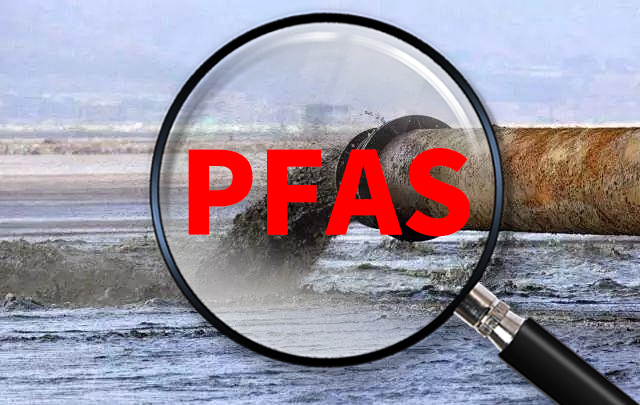
PFAS (perfluorinated and polyfluorinated alkylated substances) are a group of more than 9,000 synthetic chemical compounds characterized by extremely strong carbon-fluorine bonds. Thanks to their resistance to heat, oil and water, these compounds are widely used in the manufacture of products such as:
- Non-stick coatings on cookware
- Firefighting foams used in airports and military installations
- Textiles treated with waterproof and stain-resistant properties
- Grease resistant food packaging
- Personal care products and cosmetics
- Various industrial applications
However, these properties also make PFAS resistant to degradation in the environment, causing their long-term accumulation in soils and water bodies. Sources of PFAS contamination are diverse, including industrial emissions, firefighting foams, and landfill leachates. These compounds not only contaminate soil and water, but can also enter the food chain and accumulate in the human body, increasing the risk of cancer and affecting childhood development.
How does activated carbon remove PFAS?
Activated carbon is a material with a high adsorption capacity, produced from raw materials such as coconut shells, wood and anthracite. Its unique pore structure and huge surface area make it an ideal solution for adsorbing organic compounds such as PFAS.
Adsorption principle

The removal of PFAS by activated carbon is mainly carried out through the adsorption process. This phenomenon involves the accumulation of PFAS molecules (adsorbate) on the surface of the activated carbon (adsorbent). Unlike absorption (where molecules penetrate the material), adsorption occurs on the surface.
Activated carbon has an extremely developed porous structure, with a large number of adsorption sites where PFAS molecules can adhere. Adsorption occurs due to interactions between PFAS molecules and the activated carbon surface, including:
- Hydrophobic interactions: The fluorinated part of PFAS molecules is highly hydrophobic, creating a natural affinity with the equally hydrophobic surface of activated carbon.
- Van der Waals forces: These weak interactions favor the attraction between the adsorbent and the adsorbate.
- Electrostatic interactions: Depending on pH and other conditions, the functional groups of activated carbon can interact with the ionized portions of the PFAS molecules.
Factors influencing PFAS adsorption
The ability of activated carbon to remove PFAS from water depends on several factors:
- PFAS chain length: Studies have shown that long-chain PFAS (with 7 or more carbon atoms, such as PFOA and PFOS) are more efficiently adsorbed compared to short-chain PFAS. This is because longer chains are more hydrophobic, which increases their affinity for activated carbon.
- Activated carbon characteristics: Particle size, pore volume, pore size distribution, and surface chemical properties are key to determining adsorption efficiency.
- Contact time: Sufficient contact time between contaminated water and activated carbon is crucial to achieve optimal removal levels. Longer retention times improve adsorption efficiency.
- Water quality: Parameters such as dissolved organic compounds and other contaminants can compete for adsorption sites, reducing the overall effectiveness of the treatment.
Types of activated carbon most effective at removing PFAS
Selecting the right type of activated carbon is critical to maximizing PFAS removal efficiency. Below we present the most common types of activated carbon designed specifically for this task.
Granular activated carbon
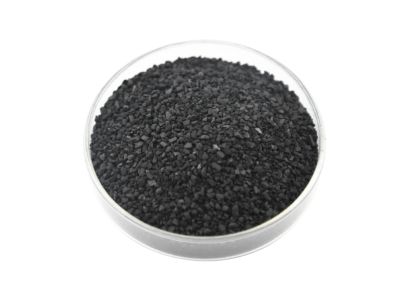
Granular activated carbon
Supplying large quantities of granular activated carbon for PFAS removal, high hardness, cost-effective and fast delivery.
Granular activated carbon is a larger particle size carbon, commonly used in continuous flow water treatment systems. Its microporous structure and high surface area make it highly effective in adsorbing long-chain PFAS (such as PFOS and PFOA).
Features and benefits:
- High adsorption capacity: Especially effective in removing long-chain PFAS.
- Long-term use: Granular activated carbon can be regenerated using specific technologies, reducing operating costs.
- Efficient water flow: Due to its larger particle size, it offers low flow resistance in water treatment systems.
- Applications: Municipal drinking water treatment plants, designed to remove PFAS and other organic compounds.
Powdered activated carbon

Powdered Activated Carbon
Our powdered activated carbon is designed for PFAS removal and has a fast adsorption rate. Factory direct sales, stable quality, ensure timely delivery.
Powdered activated carbon (PAC) has smaller particles and greater reactive surface area, allowing for rapid adsorption of contaminants. It is typically used in batch treatments or supplementary treatment processes, especially for emergencies or short-term applications.
Features and benefits:
- Fast adsorption rate: Small particles allow rapid contact with PFAS molecules, reducing treatment time.
- High flexibility: Can be added directly to existing water treatment processes without requiring major system modifications.
- Applications: Emergency treatments to quickly eliminate PFAS contamination.
Impregnated activated carbon

Impregnated activated carbon
Strong short chain PFAS removal ability, offering factory price. Support bulk cargo supply needs with efficient logistics.
Impregnated activated carbon is manufactured by adding specific chemical agents to the carbon surface, improving its ability to adsorb specific contaminants, including certain difficult-to-treat short-chain PFAS. This type of carbon is ideal for managing waters with high complexity or specific needs.
Features and benefits:
- Increased capacity for short chain PFAS: Chemical modification strengthens the adsorption capacity of short chain compounds.
- Suitable for complex waters: Superior performance in highly contaminated or multi-component waters.
- High selectivity: Can be adjusted to maximize removal of specific contaminants.
- Applications: Treatment of highly contaminated industrial wastewater with high concentrations of PFAS.
Conclusion
Activated carbon, thanks to its extraordinary adsorption capacity, proves to be an effective solution to eliminate PFAS contamination. Selecting the right type of activated carbon and optimal treatment system design are key to ensuring successful results.
As a specialized activated carbon supplier, PuroCarbon S.L. is dedicated to offering high quality products and customized solutions to meet the needs of our customers. If you are looking for a reliable solution for PFAS control, don't hesitate to contact us at.