Activated Carbon for Gas Masks
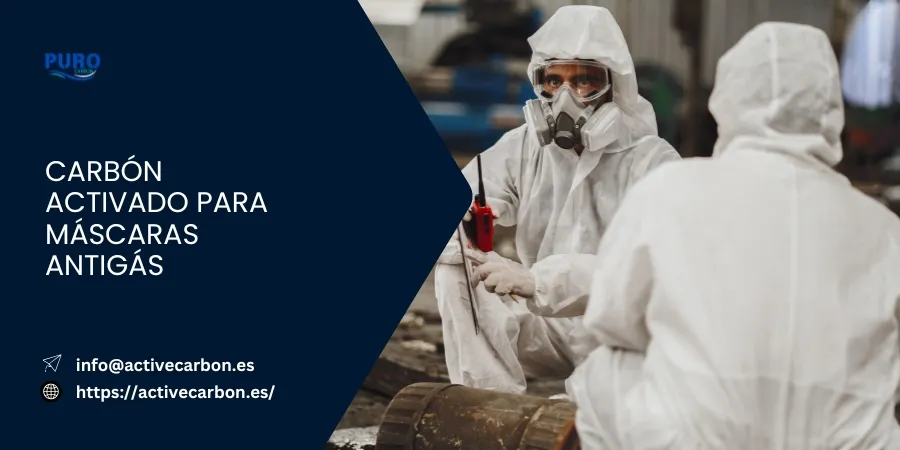
In environments such as chemical production, industrial operations, and fire rescue efforts, the air may contain toxic gases or harmful vapors that pose a threat to human health. To protect respiratory safety, gas masks are widely used.
In the filtration system of gas masks, the activated carbon It is a key material. This article introduces the application of activated carbon in gas masks in detail and explains how to choose the best quality activated carbon.
What is activated carbon for gas masks?
Activated carbon for gas masks is a specially processed high-performance adsorbent material, usually made from raw materials such as coconut shell or high quality mineral charcoal.
Through processes of high temperature carbonization and activation, activated carbon develops a large number of micropores in its internal structure, which provides it with enormous Specific surface.
This highly developed pore structure allows activated carbon to effectively adsorb toxic gases and harmful vapors present in the air, thus achieving Air purification.
In the filtration system of a gas mask, the air first passes through the activated carbon layer before entering the breathing zone. Contaminants are trapped in the activated carbon, while purified air can safely enter the respiratory system.
Working principle of activated carbon in gas masks
Activated carbon eliminates toxic gases mainly through the following mechanisms:
Physical adsorption
Activated carbon has an extremely high specific surface area. Its microporous structure can adsorb gas molecules and organic vapors present in the air through Van der Waals forces.
This physical adsorption process is especially effective for contaminants such as:
- aromatic compounds such as benzene
- Vapors of organic solvents
- Volatile organic compounds (VOCs)
- some industrial gases
Since it is a physical process, adsorption is rapid, which is ideal for the real time air filtration in gas masks.
Chemical adsorption
To improve the removal capacity of certain specific gases, the activated carbon used in gas masks is often subjected to a chemical impregnation treatment, adding substances such as:
- salts copper
- salts silver
- Compounds of molybdenum
- Compounds alkaline
These chemical components can react with certain toxic gases, achieving adsorption more stable and efficient.
For example, they are effective in eliminating:
- Ammonia
- Chlorine
- hydrogen sulfide
- hydrogen cyanide
Main performance indicators of activated carbon for gas masks

When selecting activated carbon for gas masks, it is important to pay attention to the following key indicators:
- Specific surface: A larger specific surface area means higher adsorption capacity and better protection efficiency.
- Micropore volume: micropores are the main adsorption zone for gases of small molecules; The larger the micropore volume, the higher the adsorption capacity.
- hardness: High hardness activated carbon is not easily pulverized during use, ensuring stable filter operation for a longer time.
- Impregnation rate: For functional activated carbons, the impregnation rate determines their ability to remove specific toxic gases.
Typical applications of activated carbon gas masks
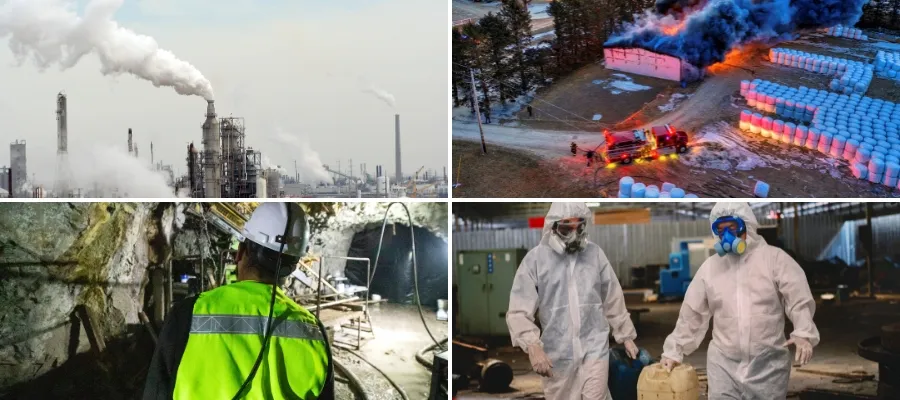
Gas masks with activated carbon are widely used in numerous sectors and industries, such as:
- Chemical Industry: protection against organic solvent vapors, acid gases and other toxic gases.
- Fire rescue: protection against harmful substances present in smoke during fires.
- Mining and metallurgy: protection against dangerous gases generated during mining or smelting processes.
- Military use and emergencies: response to toxic gas leaks in chemical, biological or industrial accidents.
Types of activated carbon for gas masks
For sectors that require efficient protection against gases, select activated carbon of high quality and stable performance It is essential to ensure the filtration efficiency and safety of gas masks. According to different application needs, the following types of activated carbon are commonly used in gas masks:
Coconut shell activated carbon
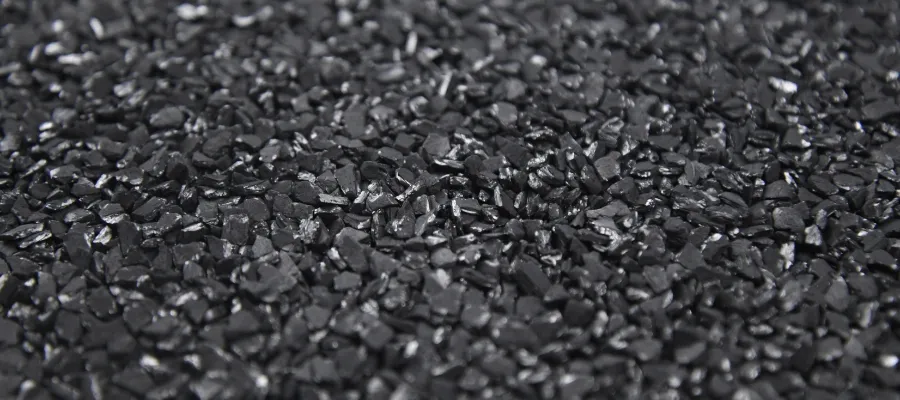
Coconut shell activated carbon is one of the most used materials in gas masks. Its main features include:
- Highly developed microporous structure
- High specific surface
- High adsorption capacity
- High strength and good wear resistance
Thanks to its excellent performance, coconut shell activated carbon is especially suitable for adsorbing organic vapors and low molecular weight gases.
Coal-Based Activated Carbon
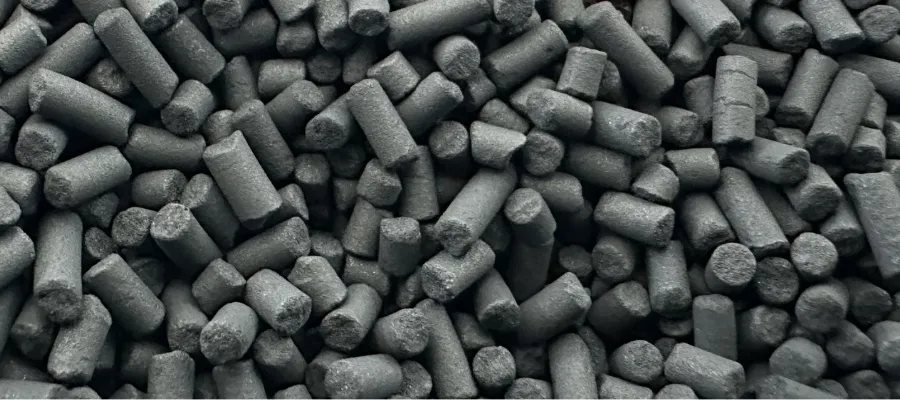
coal-based activated carbon usually has a good mechanical resistance and relatively large pore structure, so it is also widely used in certain industrial protection environments.
Its advantages include:
- Stable structure
- Relatively low cost
- Suitable for large scale production
Impregnated activated carbon
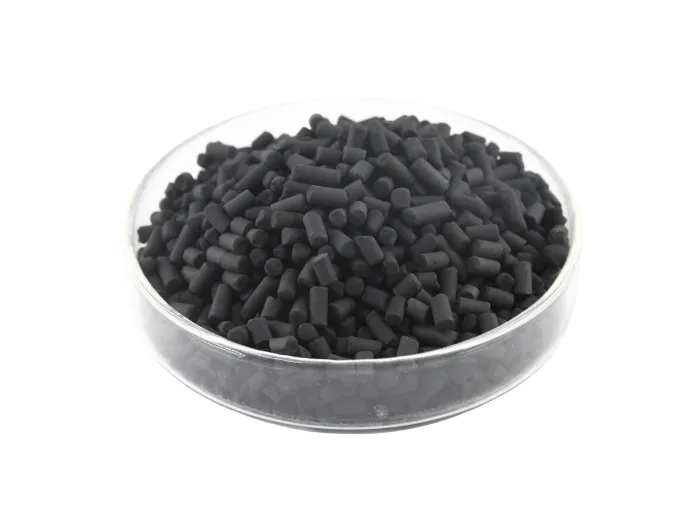
Impregnated activated carbon is a functional material made from conventional activated carbon to which are added specific chemicals, which allows highly efficient adsorption of certain toxic gases, such as:
- hydrogen sulfide
- Ammonia
- Chlorine
This type of activated carbon is widely used in military protective equipment, chemical protection and NBC (nuclear, biological and chemical) defense systems.
Conclusion
Thanks to its highly developed pore structure and excellent adsorption capacity, activated carbon plays a fundamental role in the filtration systems of gas masks.
PuroCarbon offers high quality activated carbon specially designed for gas purification, capable of effectively adsorbing toxic and harmful gases. Contact us at today to get customized activated carbon solutions for your gas filtration needs.