activated carbon for Air Purification
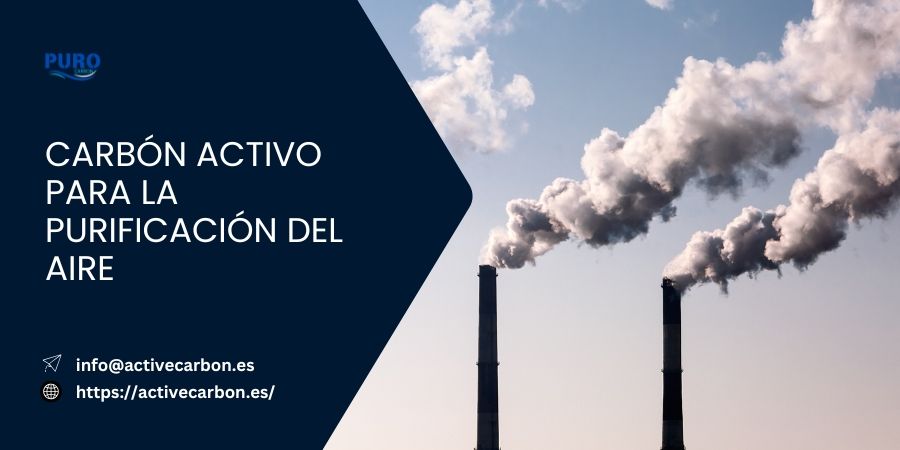
Clean air quality is vital for health, whether it is odors from interior decoration, cooking fumes or car exhaust and industrial emissions from outside, all of these factors present great challenges to our respiratory environment. Activated carbon, thanks to its excellent adsorption properties, has become an effective tool for air purification.
This article will explore how activated carbon is used for air purification, introduce its function, features and advantages in air purification, and provide tips on how to choose the right activated carbon to help you select the best air purification solution.
Principle of Air Purification with Activated Carbon

Activated carbon is the preferred material in the field of air purification due to its physical structure and unique chemical properties. Activated carbon is a specially treated carbon material with a black appearance and an extremely developed pore structure with a huge specific surface area.
The principle of air purification using activated carbon is based on adsorption processes: physical adsorption and chemical adsorption. Physical adsorption is carried out by the Van der Waals force between molecules, which is weak but can adsorb a large number of molecules at the same time due to the huge specific surface area of activated carbon.
When air passes through the activated carbon, gas molecules come into contact with the surface of the activated carbon and are “captured” and fixed by these micropores. Chemisorption is more complex and involves chemical reactions between functional groups on the activated carbon surface and specific contaminants; For example, the adsorption capacity of acid gases is closely related to the surface acidity of the activated carbon.
Among the main contaminants that can be eliminated are:
- Volatile Organic Compounds (VOC)
- Industrial odors
- toxic gases
- Hydrocarbons
- Sulfur-containing compounds
- Solvent vapors
Areas of Application of Activated Carbon in Air Purification
Thanks to its powerful adsorption capacity, activated carbon has wide applications in the field of air purification. These are some of the main fields of application:
Industrial exhaust gas treatment

In industries such as chemicals, pharmaceuticals and printing, organic gas emissions are considerable and complex in their composition. Activated carbon can effectively adsorb volatile organic compounds (VOCs) in these exhaust gases, such as benzene, toluene, xylene, etc., reducing environmental pollution. In addition, activated carbon can also be used to treat sulfur compounds (such as SO₂, H₂S) in the sinter gases of steel mills and dioxins in the flue gases of waste incineration plants.
Odor control
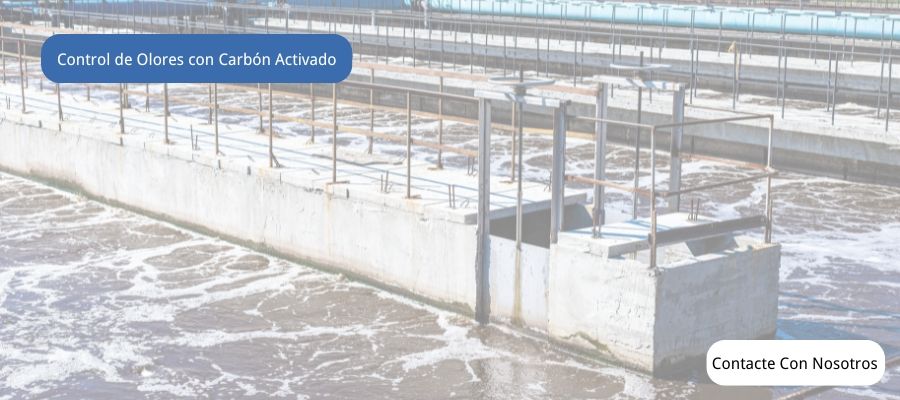
In waste treatment plants and wastewater treatment facilities, odor control is a crucial aspect. These places often emit unpleasant odors, mainly composed of hydrogen sulfide, ammonia, and volatile organic compounds (VOCs). Activated carbon can efficiently remove odor molecules from the air, reducing odor concentration and improving air quality.
Indoor air purification
Newly decorated houses often emit harmful gases such as formaldehyde and benzene, which can cause serious damage to human health. Activated carbon can effectively adsorb these harmful gases, reducing the concentration of pollutants in indoor air. In addition, activated carbon can also eliminate indoor odors, such as pet odors and cooking fumes, making indoor air fresher.
Air purification for commercial premises
In commercial spaces such as shopping malls, hotels and offices, the high flow of people makes air pollution problems more prominent. Activated carbon can effectively remove odors, fumes and harmful gases from the air, creating a comfortable and healthy business environment.
Air purification in cars
The interior space of cars is relatively small and air circulation is poor, which facilitates the accumulation of various pollutants. Activated carbon air filters are widely used in automobile air conditioning systems and can effectively remove harmful odors and gases inside the vehicle, such as cigarette smoke and odors emitted by leather and plastic interiors, improving indoor air quality.
Air purification in laboratories and special environments
In laboratories, pharmaceutical factories or chemical industries, the air may contain specific toxic gases or chemical vapors. Activated carbon, especially products treated by special impregnation, can efficiently adsorb these specific gases (such as mercury vapor, ammonia), ensuring the safety of the working environment.
Us, PuroCarbon S.L., we offer various types of activated carbon air purification products, helping you solve your air purification problems.
Types of Activated Carbon for Air Purification
Choosing the right activated carbon is crucial to air purification effectiveness, and depends on the type of contaminant, application environment, and filtration system requirements. Below are several types of activated carbon that we offer at PuroCarbon S.L.:
Granular activated carbon

Granular activated carbon
Very effective removal of contaminants and odors from the air. High mechanical resistance for large volume air purification.
Granular activated carbon usually comes in the form of irregular particles, with a large specific surface area and a developed pore structure, which helps to adsorb harmful gases and odors from the air.
It has good abrasion resistance, can be reused and is suitable for fixed bed filtration systems.
Fields of application:
- Industrial and commercial ventilation systems, such as offices, hospitals, laboratories, production workshops, etc.
- Air purification equipment, such as air purifiers and HVAC systems.
- Adsorption of gaseous contaminants such as volatile organic compounds (VOCs), hydrogen sulfide, ammonia, etc.
- Elimination of smoke and odors, such as cooking fumes, tobacco smoke, etc.
Advantages:
- Suitable for high flow air purification, long-lasting adsorption performance
- High mechanical strength
- Excellent regeneration capacity
Powdered activated carbon

Powdered Activated Carbon
Fast filtration speed, especially suitable for treating high concentration exhaust gases, ensure timely delivery.
Extremely small particles, in powder form, with ultra-high specific surface area and rapid adsorption capacity. It excels in the treatment of highly concentrated waste gases, suitable for the elimination of harmful substances such as dioxins, heavy metals and mercury. Due to its small particle size, it is generally applied by spraying or direct addition.
Fields of application:
- Specific scenarios requiring rapid adsorption of contaminants, such as chemical production, laboratories, industrial gas treatment, etc.
- Household air purification equipment, such as air fresheners, activated carbon filters, etc.
- Application in gas adsorption towers for the efficient removal of toxic gases from the air.
Advantages:
- Fast adsorption rate, suitable for treating high concentration polluting gases in a short time
- Due to its small particle size, it can be mixed with other media to improve filtration efficiency
Pelletized Activated Carbon

Pelletized Activated Carbon
Designed for air purification with excellent adsorption performance. Factory quotation, support bulk purchase.
Typically in the form of cylindrical particles, this shape helps maintain structural stability in the filtration system while providing a large filtration surface area. Their high mechanical and abrasion resistance and high density make them ideal for industrial air purification systems.
Fields of application:
- Industrial air treatment, such as factory exhaust gases, paint booths, chemical plant exhaust gases treatment, etc.
- Purification of polluting gases, such as the removal of benzene, toluene, xylene (BTX) and other volatile organic compounds (VOCs).
- Gas purification in high temperature and humidity environments, such as desulfurization and denitrification of boiler combustion gases.
Advantages:
- Suitable for high flow air treatment, can effectively reduce the concentration of pollutants
- Applicable to filtration systems such as fixed beds and fluidized beds, can operate for long periods
Impregnated activated carbon
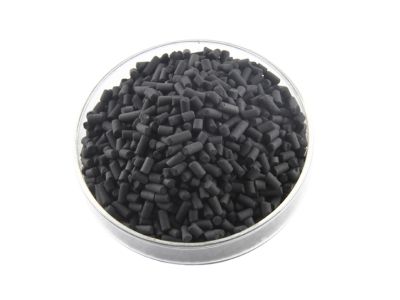
Impregnated activated carbon
Designed to remove specific gases such as H2S, SO2, etc. with extremely high removal efficiency.
Impregnated activated carbon is a high-performance adsorption material that has undergone special chemical treatment, specifically designed for efficient removal of specific air pollutants, such as hydrogen sulfide, sulfur dioxide, formaldehyde, etc., widely used in air purification and industrial gas treatment.
Fields of application:
- Gas purification devices, such as for the removal of hydrogen sulfide, sulfur dioxide, ammonia, mercury vapor, etc.
- For the treatment of specific polluting gases in laboratories, the chemical industry and the pharmaceutical sector.
- It can be used in biofilters to treat malodorous gases generated in wastewater treatment plants.
Advantages:
- High removal rate for specific contaminants
- Ability to customize various impregnation types to address different types of gas contamination problems
Conclusion
Activated carbon is an efficient material for air purification, capable of effectively reducing pollutants and odors. From the elimination of volatile organic compounds to odor control in industrial facilities, the application of activated carbon has brought significant results in various fields.
As a professional activated carbon supplier, PuroCarbon S.L. offers high quality activated carbon products for various industries. If you are looking for the best solution to improve air quality, do not hesitate to contact us at. Our team of experts will recommend the most suitable products for your needs.